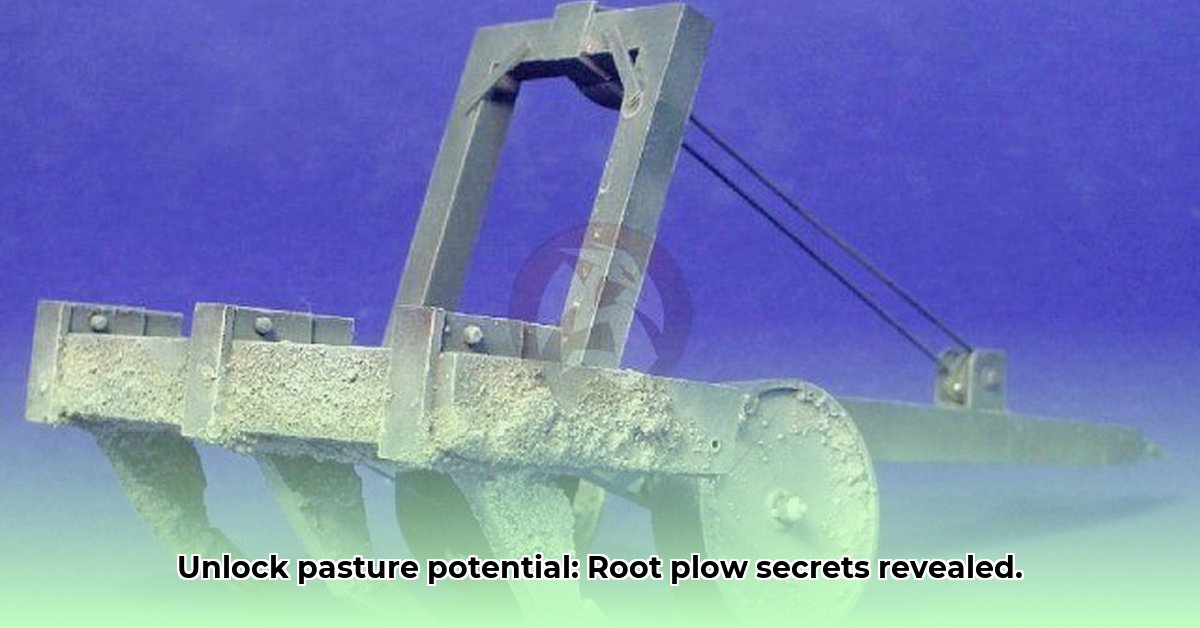
Root Plow for Tractor: Your Guide to a Thriving Pasture
Preparing your soil is paramount for achieving a productive pasture. A tractor-mounted root plow offers a powerful solution for clearing stubborn roots and brush, paving the way for lush grassland. However, selecting and effectively utilizing the right root plow requires careful consideration. This guide will equip you with the knowledge to make informed decisions and optimize pasture efficiency.
Matching Your Needs to the Right Root Plow
Before purchasing a root plow, a thorough assessment of your land is crucial. Consider the following factors:
- Soil Type: Heavy clay soil necessitates a robust plow, while lighter sandy loam may handle a less powerful model.
- Root Type and Density: Small weeds require a lighter plow than large tree roots. Choose a plow matched to the size and density of the roots present.
- Tractor Horsepower: Never exceed your tractor's capabilities. Overloading the tractor is dangerous and inefficient. Consult your tractor's manual for recommended drawbar horsepower.
Choosing Your Perfect Plow: A Detailed Look
Several key factors determine the optimal root plow for your needs:
- Root Size and Density: Match the plow's capacity to the size and density of the roots you need to remove. Larger, tougher roots require more powerful equipment.
- Soil Type and Conditions: Hard, compacted soil requires a stronger plow than lighter, looser soil. Consider soil composition for plow selection.
- Tractor Horsepower: This is critical. Ensure the plow's power requirements are safely within your tractor's capabilities. Check your tractor's manual for the recommended drawbar horsepower.
- Ease of Use and Maintenance: Choose a plow with straightforward controls and simple maintenance requirements to minimize downtime and maximize efficiency.
- Cost: Balance upfront cost with long-term value. A high-quality plow may cost more initially but will save money on repairs and enhance productivity over its lifespan.
Operating Your Root Plow: Safety First, Efficiency Always
Safe and efficient root plow operation is crucial for successful pasture renovation. Follow these steps:
- Pre-Operation Inspection: Before starting, thoroughly inspect the plow for any damage, loose bolts, or worn parts. Addressing issues proactively prevents accidents and downtime.
- Depth Adjustment: Adjust the plow's depth to match soil and root conditions. Insufficient depth is inefficient, while excessive depth stresses the plow and tractor.
- Consistent Speed: Maintain a steady speed during operation. Jerky movements damage the plow and result in uneven root removal. Adjust speed based on soil conditions.
- Post-Operation Maintenance: After each use, clean the plow thoroughly to remove mud and debris. Lubricate moving parts as needed; refer to the maintenance manual for specifics.
Root Plow Options: A Comparison
Two main types of root plows exist: specialized root plows and adaptable tractor attachments.
| Feature | Specialized Root Plow | Adaptable Tractor Attachment |
|---|---|---|
| Advantages | Excellent for deep root removal; durable and reliable | Versatile; usable for other tasks (e.g., brush clearing) |
| Disadvantages | Higher initial cost; less versatile | May be less effective for large, tough roots or dense soil |
Remember, initial cost is only one factor. Consider long-term maintenance and repair costs. A durable plow, even if more expensive upfront, can save money over time.
Beyond the Plow: A Holistic Approach
Maximize pasture efficiency through a comprehensive approach:
- Pre-Plowing Preparation: Manually remove large brush and debris to reduce strain on the plow and extend its lifespan.
- Post-Plowing Smoothing: Use implements like a harrow to level the soil and create a suitable seedbed for optimal seeding and seedling establishment.
By selecting and using the right root plow, adopting proper operating techniques, performing regular maintenance, and employing a holistic approach, you can significantly enhance pasture productivity. Continuous learning and adaptation are key to optimizing land management practices.
Comparing Costs of Small-Scale Sustainable Root Removal Methods
Key Takeaways:
- While root plows are highly effective for large-scale root removal, their suitability for small-scale operations warrants careful evaluation.
- A comprehensive cost analysis must extend beyond the initial equipment cost.
- Alternative, lower-cost methods may be better suited for smaller areas or limited budgets.
- Weigh the long-term benefits of improved pasture productivity against upfront investment costs.
Choosing the Right Tool for the Job: Root Plow vs. Alternatives
For smaller operations, a tractor-mounted root plow may be an inefficient investment. However, determining the optimal approach necessitates evaluating various alternatives:
- Manual Removal: Labor-intensive but eliminates equipment costs. Suitable for small areas or exceptionally stubborn roots.
- Specialized Hand Tools: Tools such as mattocks, grub hoes, and root saws offer efficiency compared to purely manual digging. Costs primarily involve labor.
- Small Tractors with Attachments: Smaller tractors with lighter plows or attachments represent a cost-effective compromise between large-scale machinery and manual labor.
Assessing the Costs: A Comparative Look
The total cost encompasses more than just the initial purchase price. Consider these factors when comparing different methods:
| Method | Initial Cost | Operating Cost | Labor Cost | Long-Term Benefits | Suitability for Small Scale |
|---|---|---|---|---|---|
| Tractor-Mounted Root Plow | High | Moderate to High | Low | High | Low |
| Manual Removal | Low | Low | High | Moderate | High |
| Specialized Hand Tools | Moderate | Low | High | Moderate | Moderate |
| Small Tractor w/ Attachment | Moderate to High | Moderate | Moderate | Moderate to High | Moderate |
Remember that cost categories are relative and depend on your specific situation, labor rates, and the scale of root removal required.
Making the Decision: Factors to Weigh
Ultimately, the choice depends on a combination of factors:
- Area Size: Large areas justify the cost of a root plow, while smaller areas may benefit from manual or hand tool methods.
- Root Type and Density: Tough, deep roots require more powerful equipment.
- Budget: Consider both initial investment and long-term expenses. The long-term improvements yield may outweigh initial costs.
By carefully considering these factors, you can select the most efficient and cost-effective root removal method for your specific needs.